

Take people seriously
Symptoms can be very distressing, even when no satisfactory explanation has yet been found.
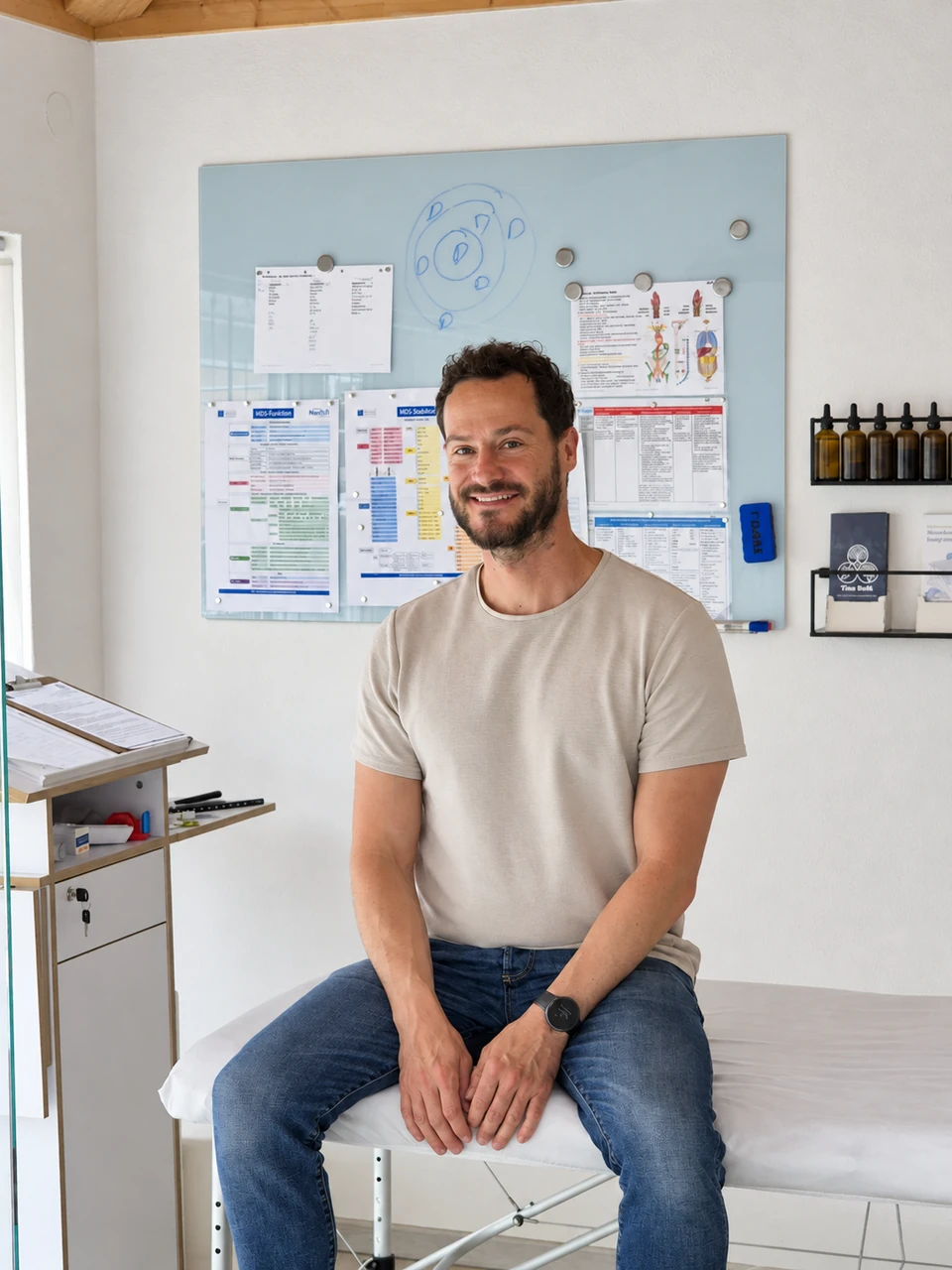
About me · Tino Both
My journey into neuroathletic training began with my own story, rather than a career idea: severe neurological symptoms, a lack of direction and the feeling that, despite many examinations, I wasn't moving forward.
Today, I support people who want a clearer understanding of which functions might be involved in their concerns — attentively, individually and with tests they can follow.
Taking people seriously, listening carefully and finding a sensible next step together — this is the attitude behind my work.
My own journey
My work today is closely connected to my own experiences. I understand how distressing it is when symptoms are real, severely restrict everyday life and still leave you without a helpful next step.
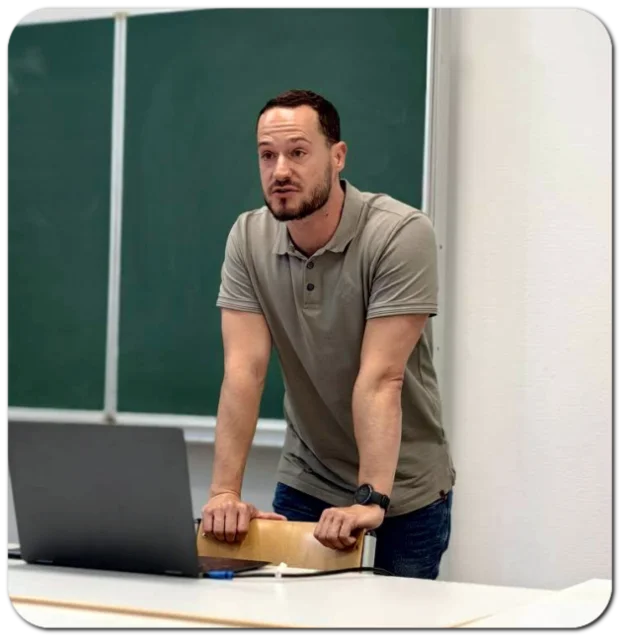
Personal experience led to professional curiosity — and eventually to the work I do today.
Back then, my symptoms limited me so much that I could no longer work as an engineer. Driving became difficult too. Even shopping in a supermarket was extremely demanding: I could only find products on the shelves by searching very slowly. Quick eye movements caused pronounced visual disorientation.
The feeling of helplessness weighed at least as heavily. My symptoms were classified as psychosomatic while I was losing more and more control in everyday life. I knew something was wrong — but I had neither a clear map nor a way to make a useful difference myself.
During the practical part of my Medletics Health Coach training, an instructor introduced me to neuroathletic training. I already knew many of the tests from my neurological examinations. What was new to me was that even small functional differences were taken seriously as clues, assessed specifically and immediately retested with suitable inputs.
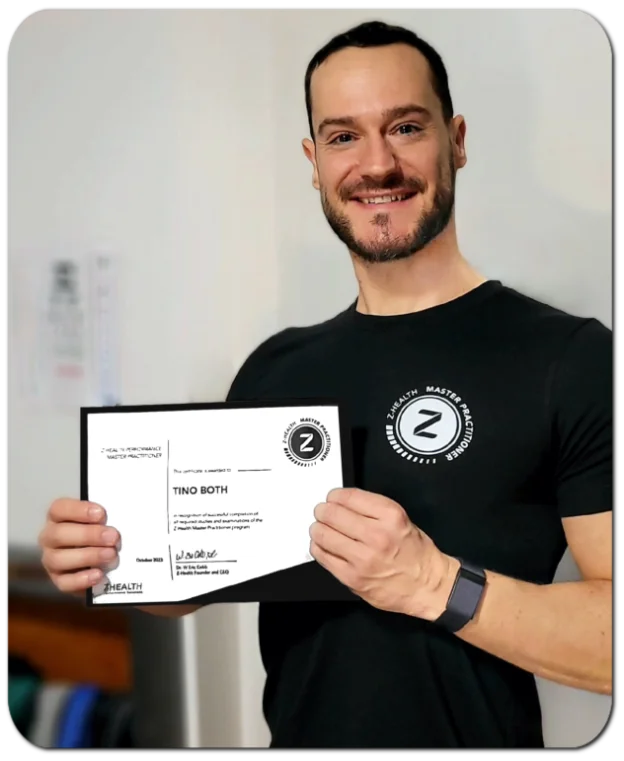
This began a path of greater self-efficacy and self-determination for me. The extensive Z-Health training was a major personal and financial decision, but it enriched me enormously, both professionally and personally. My own search grew into the wish to offer others the guidance I had lacked for so long.
What matters to me
For me, good support begins with understanding the person, their story and their goals — before designing a programme.
Symptoms can be very distressing, even when no satisfactory explanation has yet been found.
A person's history often reveals important relationships that remain invisible in a single snapshot.
You should be able to understand what we assess, why we assess it and what a result means.
Functional clues are assessed and compared through a direct test–retest, rather than judged prematurely.
We select what suits your individual responses, capacity and goals.
Progress should be noticeable to you, understandable and transferable to everyday life.
I particularly care about people who have already explored many medical or therapeutic options but still feel limited by their symptoms. I don't promise an easy answer — but I listen, assess carefully and look with you for a next step you can understand.
Qualifications
My training combines neurocentric assessment and training approaches with foundations in movement, health and nutrition. What matters to me is how precisely that knowledge can be used for each person, rather than the number of certificates.
I am currently the only Z-Health Master Practitioner in Lower Bavaria.
The practice
My practice in Vilshofen is deliberately personal. During your appointment, the time is yours — without a busy waiting room or the feeling of being just another entry in a calendar.
When you arrive, I want you to feel that someone will listen, take your concerns seriously and work with you to find a useful way forward.
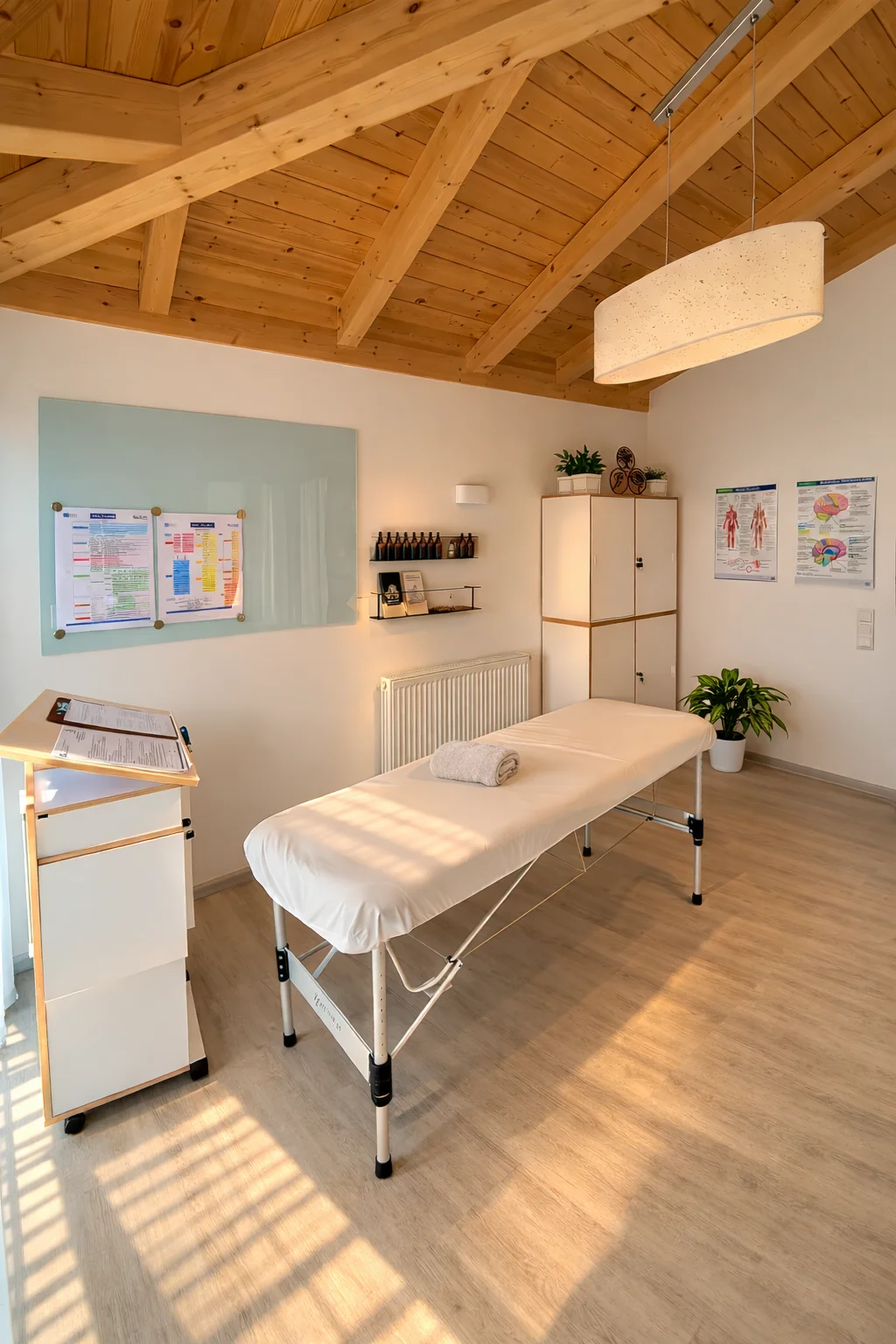
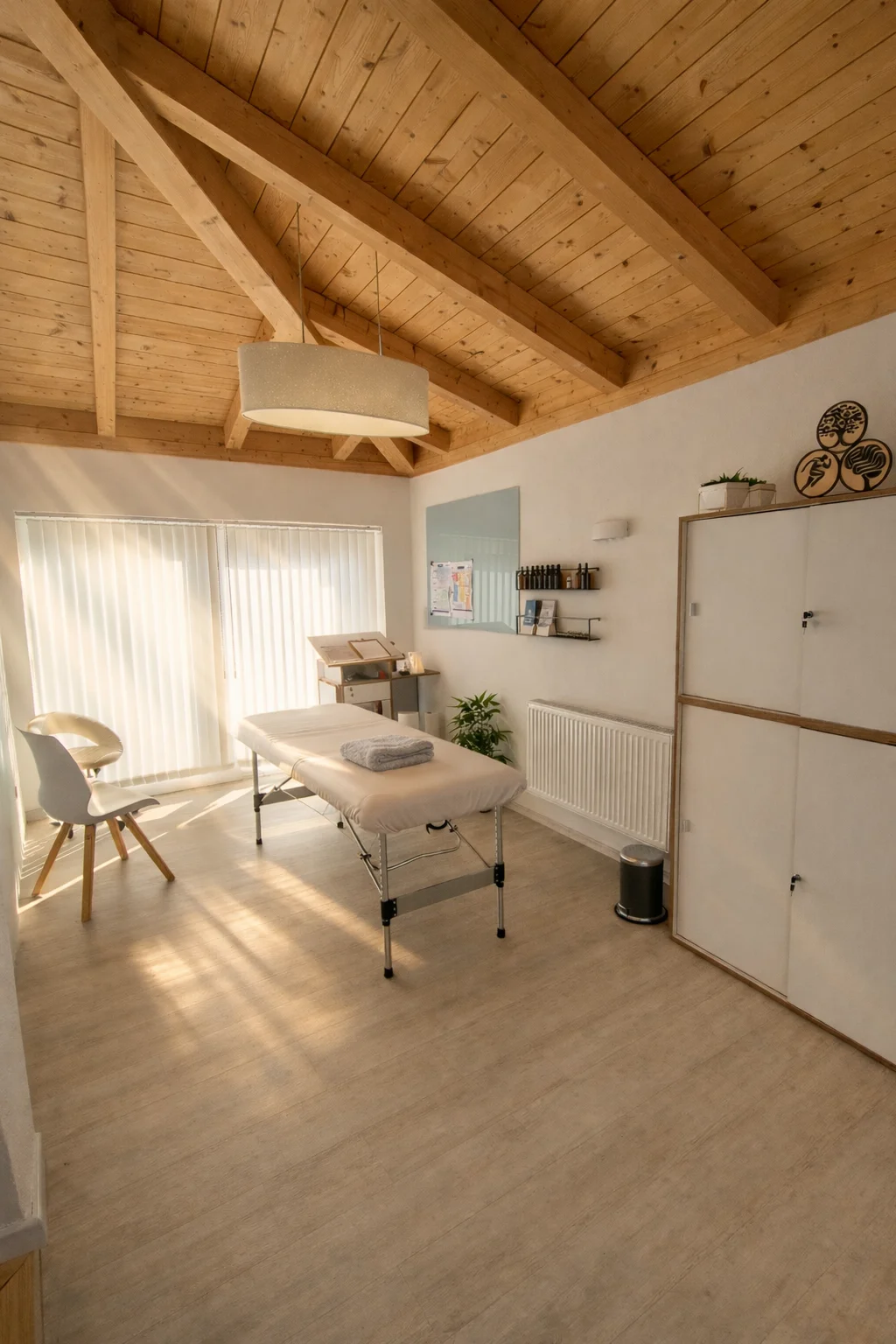
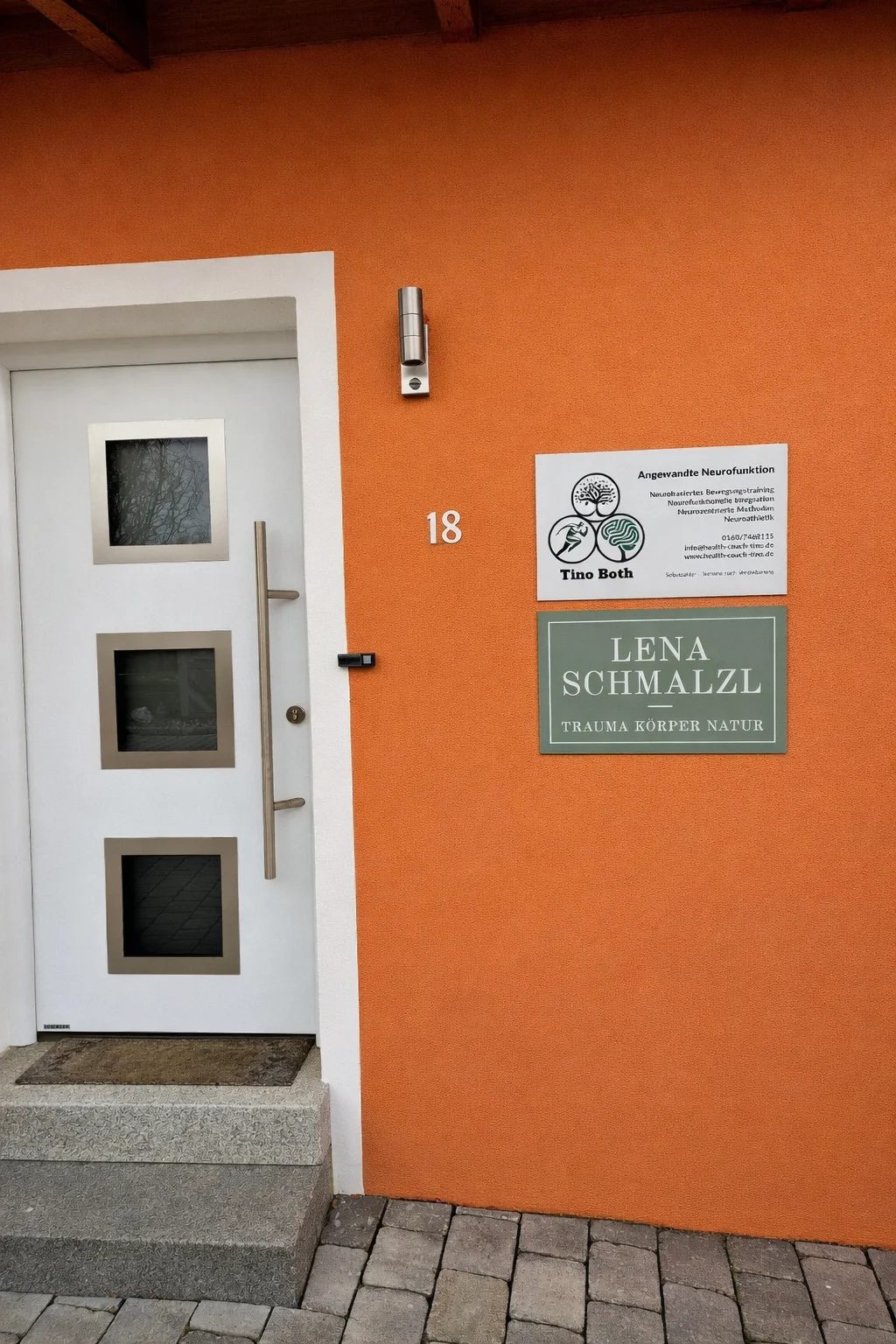
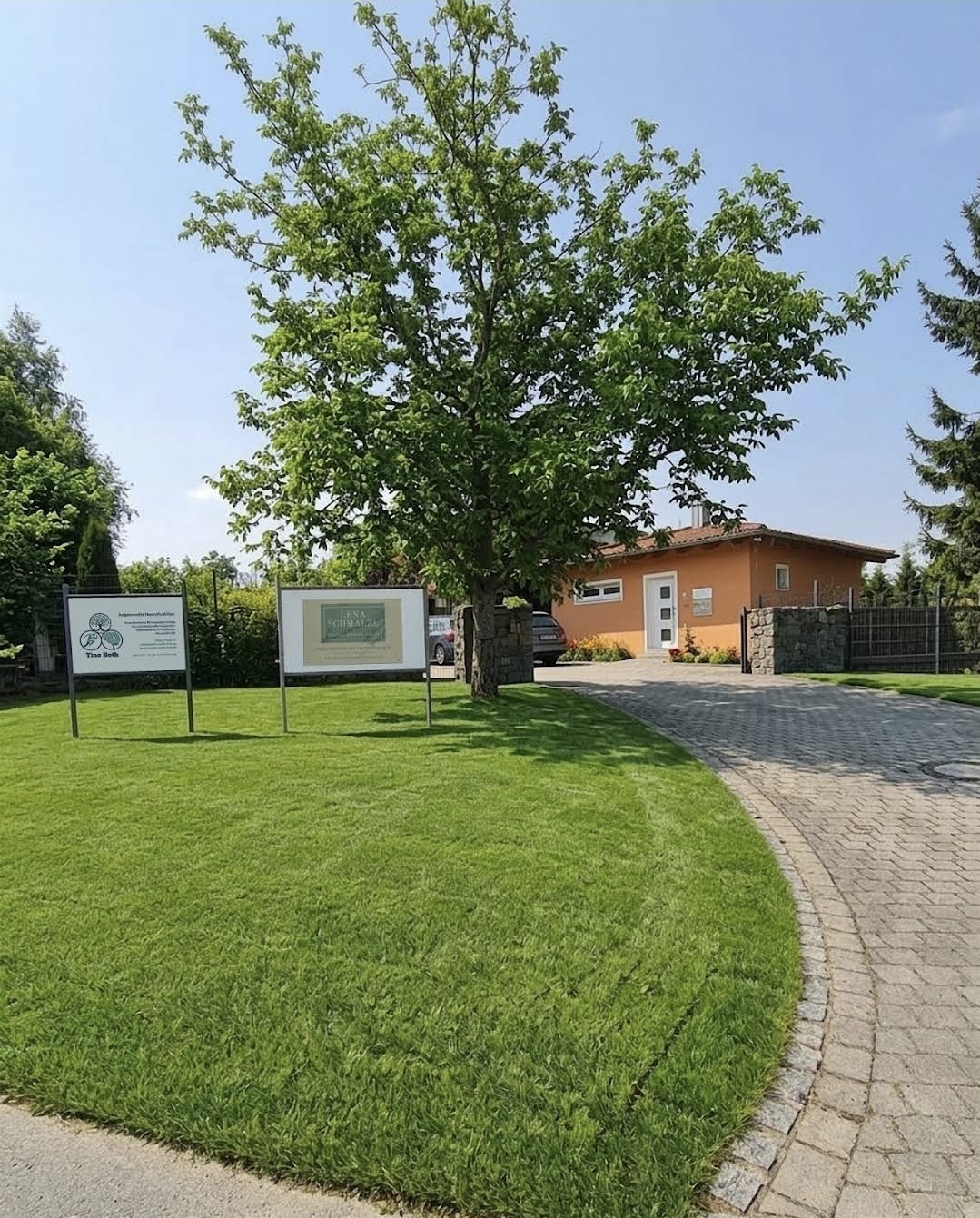
I share the rooms with Lena Schmalzl, a German Heilpraktikerin licensed for psychotherapy, specialising in body-based trauma therapy. She is my partner and best friend. We share the wish to create a place where people feel welcome, heard and taken seriously.
A personal ending
This song is my personal musical interpretation of neurofunctional work — and of the fascination with how much information our nervous system processes at every moment.
It is part of my story, so it belongs on this page too.
More about how the song came about (German)You can listen to my song here. The Spotify player only loads when you allow Spotify in your privacy settings. Data is then sent to Spotify.